マーク・ザッカーバーグとFacebook――スキャンダル続きの10年
2012年6月、ラダーシリーズの『The Mark Zuckerberg Storyザッカーバーグ・ストーリー』が発売されました。当時はまだ多くの人が、ソーシャルメディアは世の中のためになる力だと信じていました。ソーシャルメディアは2008年のアメリカ大統領選挙でオバマ大統領の誕生を後押しし、また2010~2012年の「アラブの春」では独裁政権を倒す民衆運動に力を与えたと思われていたのです。ザッカーバーグ自身も、Facebookの「世界をよりオープンでつながったものにする」というミッションを信じた世界中の若者のヒーローでした。しかし今は違います。時代はすっかり変わってしまいました。
『The Elon Musk Storyイーロン・マスク・ストーリー』は2022年初頭に発売されましたが、このタイミングは絶妙でした。ちょうどその頃、マスクはAmazonの創設者であるジェフ・ベゾスを抜いて世界長者番付で1位になりました。時価総額が1兆ドルを突破したテスラは、年間50万台超の車を生産していました。マスクにとって最も重要であった起業家としての野心の多くが実現していたのです。
IBCがマスクに関する本を出版した後も、マスクはいつもの非常に活発かつ挑発的で、衝動的な行動を止めたわけではありません。『イーロン・マスク・ストーリー』の出版後わずか半年の間に、マスクはソーシャルメディア企業であるTwitterを440億ドルで買収することを申し出て、後に撤回し、自らが創設したNeuralinkの幹部との間に2021年に双子が誕生していたことが報道で明らかになり(これでマスクは9人の子持ちに!)、そして戦争で荒廃したウクライナにSpaceXの衛星インターネットシステム「Starlink」のサービス提供を開始しました。
マスクの人生において多くのことが起きていたとしても、こういった最近の出来事はどれもこれまでとほぼ同じ、これまでの延長線上と言ってよいでしょう。しかしマーク・ザッカーバーグに関しては違います。『ザッカーバーグ・ストーリー』が出版されてからの彼を取り巻く変化は、どれも悪いものばかりでした。
ザッカーバーグの運命の転換点は2018年でした。PR企業であるCambridge AnalyticaがFacebookを使って、8,700万人にのぼるユーザーの個人データに不正にアクセスしていたことが分かったのです。このデータはターゲット広告に使われ、2016年のアメリカ大統領選挙でドナルド・トランプの当選を後押しすることとなりました。
ザッカーバーグは後にアメリカ議会上院の公聴会に召集され、Facebookは50億ドルもの制裁金を科されました。Facebookは、オープンでつながった世界ではなく、データ窃盗、ヘイトスピーチ、政治的操作と次第に関連付けられるようになったのです。
これは先進国においてだけでなく、途上国でも同じでした。2018年、Facebookはスリランカで起きた反イスラム暴動の扇動、そしてミャンマーではイスラム教徒少数民族であるロヒンギャ族に対する暴力の助長に一定の役割を担っていたことが分かりました(現在、英国にいるロヒンギャ民族の難民たちが、ロヒンギャの人々に対するヘイトスピーチを削除しなかったことが同民族に対する暴力につながったとして、1,500億ドルの損害賠償を求めてFacebookを集団提訴しています)。
2019年3月には、白人至上主義者であるブレントン・タラントが、ニュージーランドのクライストチャーチにある2つのモスクで51人を殺害し、40人以上を負傷させた銃乱射事件では、タラントはその模様をFacebook Liveで配信していました。Facebookは関連動画をすべてサイトから削除するよう試みましたが、イメージの悪化は致命的でした。
皆から「友達リストから削除」されて
次第に、自らのFacebookアカウントを削除する行為を公にすることが、人気のある「美徳シグナリング(virtue signaling)」となりました。イーロン・マスクやAppleの共同設立者であるスティーブ・ウォズニアックといったシリコンバレーの著名人が、自らの個人アカウントだけでなく、コーポレートアカウントも削除し、その事実を広く公表したのです。
2021年9月には「内なる敵」が新しい形で現れました。同年5月までFacebookでプロダクトマネージャーを務めていたフランシス・ホーゲンが内部告発を行い、同社の何千という内部資料を非常に整然とした方法でメディアや当局と共有しました。
ホーゲンによると、この書類には、Facebookが同社の商品が10代の若者の心の健康に害を与えること、また暴力行為を扇動することを十分認識していたにもかかわらず、公共の安全や福祉よりも、同社の成長や利益を常に優先してきたことが示されていました。
ホーゲンの内部告発から1カ月後、Facebookは社名をMetaに変えることを発表しました。ザッカーバーグは社名の変更はメタバースがインターネットの「次の開拓地」になるからだと強調しましたが、多くの人が、スキャンダルが続いたFacebookという名によるイメージ悪化を払拭したいからだろうと憶測しました。
毒リンゴ
驚いたことに、こういったイメージの悪化にもかかわらず、Facebookのユーザー数および利益の拡大は続きました。しかし、これもついに後退し始めました。理由は主に2つあります。まず、短尺動画共有アプリであるTikTokとの競争です。TikTokはサービス提供開始後すぐに、若者ユーザーに最も支持されるソーシャルメディアアプリになりました。そしてもう一つが、Appleが実施したプライバシーポリシーの変更です。2021年4月にリリースされた新OSでは、iPhoneユーザーはアクティビティの追跡を「オプトアウト」できるようになりました。これまでFacebookのビジネスモデル全体の基礎は、精度の高いターゲット広告でしたが、この変更によってFacebook(や他のアプリ)は閲覧履歴にアクセスができなくなり、これまでほどの精度でターゲット広告を出せなくなったのです。
iPhoneのOSをアップグレードする人が増えるにつれ、Facebookはますますユーザーデータにアクセスできなくなりました。iOS 14.5のリリースから1年ほどが経った2022年2月3日、FacebookはAppleのプライバシーポリシーの変更によって、同年度の売上高が100億ドル減る見込みであること、また同社史上初めて、デイリーアクティブユーザー数が減少したことを明らかにしました。この結果、Facebookの株価は暴落し、一日でおよそ2,400億ドル分の時価総額を失ってしまったのです。これは1日の下落率としては、アメリカ市場最大規模でした。
しかし、ザッカーバーグは闘志にあふれる人であり、Facebookも反撃を試みています。TikTokへの対抗策として、Facebookは自社の短尺動画機能を開始し、ユーザーはAIのレコメンドをベースに、フォローしていないアカウントの投稿も見ることができるようになりました。残念ながらこの取り組みが裏目に出てしまい、合わせて約7億人のInstagramフォロワーを有するカイリー・ジェンナー&キム・カーダシアン姉妹が「InstagramをもとのInstagramに戻して」とFacebookに懇願する結末となりました。(数日後には変更の一部は取りやめとなりました。)
救世主は異星人?
求人情報・企業情報を提示するGlassdoorは毎年、従業員からのフィードバックだけをもとに、「CEOランキング」および「最高の職場ランキング」を発表しています。ザッカーバーグは2013年にCEOランキングでNo.1に選ばれましたが、2019年には55位、そして2020年にはランキング外にまで落ちています。一方、Facebookは2011年、2013年、そして2018年に最高の職場ランキングで1位を獲得しましたが、2022年の調査では47位にまで落ちています。
今や、若者はザッカーバーグを称賛し、彼の会社で働きたいと思うのではなく、彼の社会的不適応さをからかう動画を投稿したり、ザッカーバーグは人間ではなく、トカゲ、異星人、もしくはロボットではないかと示唆しています。このことからも、ザッカーバーグ個人の人気がこの10年間でどれほど落ちたかが分かりますが、楽観派にとっては、メタバースの仮想世界でFacebookが新たに成功を収めるうえで、ザッカーバーグこそが適任者(もしくは適任の地球外生物)であることを示唆しているのではないでしょうか!
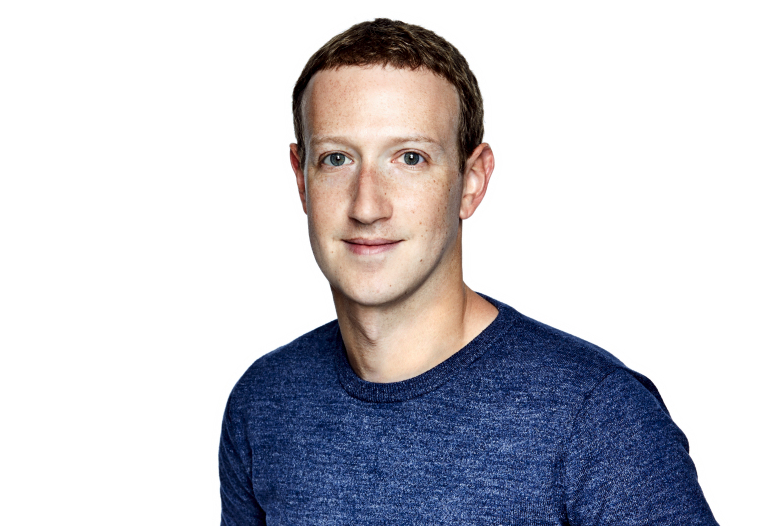
Mark Zuckerberg and Facebook: A decade of scandal
Ladder Books published The Mark Zuckerberg Story in June 2012. At the time, most people still saw social media as a force for good, whether that meant helping elect Barack Obama US president in 2008 or empowering popular movements to take on autocratic governments in the Arab Spring of 2010–2012. Zuckerberg himself was a hero to young people everywhere who believed Facebook’s mission statement about making the world more open and connected. That is certainly not the case anymore. How times change!
WHEN THE ELON MUSK STORY CAME OUT IN EARLY 2022, the timing could not have been better. Musk had overtaken Jeff Bezos of Amazon to become the richest man in the world. His company Tesla, which was valued at over US$1 trillion, was producing over half a million cars per year. Many of Musk’s most important entrepreneurial ambitions had been realized.
Just because IBC had published a book about Musk did not mean that he was going to stop being his usual hyperactive, provocative and impulsive self. In the brief six months since the Ladder Book came out, Musk has both launched and withdrawn a $44 billion bid for the social media company Twitter; been revealed to have fathered twins with an executive at his company SpaceX in 2021 (bringing his total number of children to nine!); and deployed SpaceX’s satellite internet system Starlink to war-torn Ukraine.
Even if a lot has been going on in Musk’s life, all these recent developments are more of the same—a continuation of what went before. With Mark Zuckerberg, by contrast, the changes since the Ladder Book came out have all been changes for the worse.
You can pinpoint the change in his Fortunes to 2018. That was when PR company Cambridge Analytica was found to have used Facebook to illegally access the data of 87 million the site’s users—data which was then used to target advertisements that helped Donald Trump win the 2016 election.
Zuckerberg was summoned before a Senate panel in the United States and Facebook was fined a whopping $5 billion. Rather than being associated with openness and connectedness, Zuckerberg’s company was increasingly associated with data theft, hate speech and political manipulation.
And that was as true for developing as for developed, countries. In 2018, Facebook was found to have played a role in inciting anti-Muslim riots in Sri Lanka and genocidal violence against the Rohingya Muslim minority in Myanmar. (Currently a group of Rohingya refugees in the UK are suing Facebook for $150 billion for not removing hate speech that contributed to violence against their community.)
In March 2019, when white supremacist Brenton Tarrant killed 51 people and injured 40 more in two mosques in Christchurch, New Zealand, he live-streamed his shooting rampage on Facebook. Although Facebook did its best to take down all copies of the video from the site, the reputational damage was grave.
Unfriended by everybody
Gradually, publicly deleting one’s Facebook account became a popular form of virtue signaling. Prominent Silicon Valley figures like Elon Musk and Apple co-founder Steve Wozniak deleted their personal and corporate accounts and made sure everyone knew they had done so.
The “enemy inside” took on a new form in September 2021, when Frances Haugen, a product manager who had been employed at Facebook until May that year, turned whistleblower and shared thousands of internal company documents with the media and the authorities in a very methodical way.
According to Haugen, the documents showed that Facebook was well aware that its products were damaging to teenage mental health and fomented violence, but always chose to put its growth and profits ahead of public safety and well-being.
A month after Haugen’s revelations, Facebook announced that it was going to change its company name to Meta. While Zuckerberg insisted that the name change reflected the fact that the metaverse was “the next frontier” of the Internet, most people assumed that he wanted to reduce the prominence of the Facebook name, which was toxic after so many scandals.
Poison Apple
Amazingly, despite all the reputational damage it had suffered, Facebook continued attracting more users and making more money. Eventually, though, that too went into reverse. The turnabout came down to two things. First there was competition from short-form video app TikTok, which quickly established itself as the social media app for younger users. And then Apple implemented a change to its privacy policy. A new operating system released in April 2021 gave iPhone users the chance to opt out of tracking. This meant that Facebook (and other apps) no longer had access to your browsing history, meaning it could not target ads with the same accuracy as before, something that was the basis of its whole business model.
As more people upgraded their iPhone operating system, Facebook was increasingly shut out from its users’ data. On February 3, 2022, almost a year after iOS 14.5 had been released, Facebook warned that Apple’s privacy changes would slice $10 billion off its profits for the year and that that its daily active user base had shrunk for the first time in its history. This caused the company to lose almost $240 billion in value, the largest one-day loss in US corporate history!
But Zuckerberg is a fighter and Facebook is trying to fight back. In a counterattack against TikTok, it launched its own short-form video product and now shows users more posts from accounts they do not follow based on AI recommendations. Unfortunately, this effort backfired when Kylie Jenner and Kim Kardashian, who between them have almost 700 million Instagram followers, begged Facebook to “make Instagram Instagram again.” (Some of the changes were reversed a few days later.)
Will the aliens save us?
Glassdoor, a job search and company review website, publishes annual rankings of Top CEOs and The Best Places to Work, both based entirely on employee feedback. Having been voted the No. 1 CEO in 2013, Zuckerberg had slumped to No. 55 in 2019 and fallen off the list entirely by 2020! Meanwhile, Facebook, after being voted the best company to work in 2011, 2013 and 2018, had plunged to No. 47 by 2022.
Now, instead of admiring Zuckerberg and aspiring to work at his company, young people post videos that mock his social awkwardness and suggest that he is a lizard, an alien or a robot rather than a human being. While this may show just how much Zuckerberg’s personal popularity has fallen over the last 10 years, to optimists it could also suggest that he is just the right person (or extraterrestrial) to lead Facebook on to new success in the virtual world of the metaverse!
ラダーシリーズ本の執筆というビジネス
東京在住の英国人トム・クリスティアン氏は、IBCパブリッシングのラダーシリーズで本を数冊執筆しています。最新著書の『イーロン・マスク・ストーリー』は、2022年2月に刊行されました。現代の大物経営者に関する本を書くうえで、どのような困難ややりがいがあるのかを伺いました。
ラダーシリーズの著書を教えてください。
ラダーシリーズではこれまで5冊を執筆しています。このうち4冊がシリコンバレー屈指の起業家に関する本で、スティーブ・ジョブズ(Apple)、ビル・ゲイツ(Microsoft)、マーク・ザッカーバーグ(Facebook)、イーロン・マスク(テスラおよびスペースX)があります。あと1冊は『ジョン・レノン・ストーリー』です。
テクノロジー業界について本を書くうえで特有の難しさはありますか?
一番の問題は、変化のスピードが極めて速いことです。例えば、2021年12月に『イーロン・マスク・ストーリー』を書き終えたのですが、その時点でテスラ社の株価は1,000ドルをはるかに上回っており、同社の時価総額は1兆ドルを超えていました。また、上海にあるテスラの工場では何千台という車の生産が行われていました。それから約半年後の今、テスラ社の株価は当時の半分程度となり、上海工場はコロナウイルスのために閉鎖されています。そしてマスク氏はツイッター社の買収に乗り出しているではないですか!ごく短期間にさまざまな大きな変化が起きました。つまりイーロン・マスクの物語はまだまだ未完成なのです!
シリコンバレーについて本を書く最大の楽しみは何ですか?
面白いのはインターネット上で本当に多くの情報を手に入れることができる点です。特に、イーロン・マスクの人生のすべてがインターネット上にあると言っても過言ではありません。テスラ社の新製品発売に関する全動画や、マスク氏が最初に立ち上げた会社を1990年代の終わりに売却後マクラーレンの車を購入した際のCNNクリップ、そして彼のバカげた挑発的なツイートのすべてもインターネット上で見ることができます。主要な情報源を誰でも手に入れることができるというわけです。ただ、もう少し年代が上のテクノロジー企業の起業家についてはそれほどでもありません。スティーブ・ジョブズが1970年代半ばにAppleを創業したころ、インターネットはまだ存在していなかったため、プレスリリースや新製品発売、インタビュー、ポッドキャストといった情報の入手はそれほど簡単ではありません。
もう一つ楽しい点は、その人物に関するバランスの取れた全体像を描くことです。テクノロジー企業の起業家をヒーローとして賞賛する傾向があるので、より批判的な視点から書かれた人物紹介を探す必要があります。例えば、経験豊富な自動車ジャーナリストであるEdwardNiedermeyer氏の著書『Ludicrous:The Unvarnished Story of TeslaMotors』は、マスク氏に関する他の本などと比べると、マスク氏自身、そしてテスラ社の車の性能に関するマスク氏の大げさな主張に、より批判的な目を向けています。
トムさん自身にはビジネスの経験はありますか?
はい。時計メーカーから商社まで、多岐にわたる日本企業のPRや広告関連のお仕事をしています。近年はこういった日本企業の多くがストーリーテリングを通して会社により人間的側面を与えようと努力しており、そのお手伝いとして企業のウェブサイト用の記事などを多数書いています。
語学教育についてはどうですか?
大学時代にラテン語とギリシャ語を学びました。卒業後は東京で午後に英語を教える傍ら、日本語の勉強を始めました。日本語学習に関する著書も数冊あり、このうちの1冊がアメリカの大学でテキストとして使用されるなど、ヒット作もあります。語学を勉強する際、ニュースや時事関連の文章を読むと実践的で楽しめるので、こういった点からも、ラダーシリーズは英語を学ぶ素晴らしい方法だと思っています。
ラダーシリーズをどのように使ってほしいと考えていますか?
学校や大学、そして特に企業内でもっと使ってほしいと思っています。実在する起業家に関するストーリーなので、ビジネス英語の理解を深める良い素材となっています。今後数か月の間に、ラダーシリーズの本をベースにしたリスニングおよび理解度テストを作成して、IBCのウェブサイト上で無料で使える学習リソースとして提供したいと考えています。
ラダーシリーズで今後執筆予定の本はありますか?
IBC向けに、出身地であるロンドンに関するQ&A形式の本の執筆を終えたところです。この本は二か国語本として出版される予定です。ラダーシリーズでは、ミステリー作家のアガサ・クリスティーの生涯について本を書くよう依頼されていますが、まだ筆をとっていません。
インタビュー日:2022年6月20日
The Business of Writing Ladder Books
Tokyo-based Englishman Tom Christian has written several books in IBC’s Ladder Series. The most recent is The Elon Musk Story, which came out in February 2022. What are the challenges and rewards of writing readers about modern- day business titans?
Which books in the Ladder Series have you written?
I’ve done five in total. Four of them are about the biggest names in Silicon Valley: Steve Jobs of Apple, Bill Gates of Microsoft, Mark Zuckerberg of Facebook and Elon Musk of Tesla and Space X. The fifth was about John Lennon.
Does writing about the tech industry have any special challenges?
The biggest issue is the sheer speed of change. For instance, I finished The Elon Musk Story in December 2021. At that point, the Tesla stock price was at well over one thousand dollars, the company itself was worth more than a trillion dollars and the Tesla factory in Shanghai was producing thousands of cars. Now, just six months later, the Tesla stock price has halved, the Shanghai factory is shut because of Covid and Musk is trying to buy Twitter! There have been all sorts of big developments in a very short time. Elon Musk’s story is still very much a work in progress!
What’s the most enjoyable aspect of writing about Silicon Valley?
One thing that’s fun is the way so much information is available online. Elon Musk, in particular, has lived his whole life on the Internet. You can find the videos of all his Tesla product launches, the CNN clip of him taking delivery of a McClaren after selling his first company in the late 1990s, and all his silly and provocative tweets. The primary sources are there for everyone to see. This is less true with the older generation of tech entrepreneurs. When Steve Jobs launched Apple in the mid-1970s, the Internet wasn’t around yet, so there’s much less information—press releases, product launches, interviews, podcasts—easily available.
The other thing that’s fun is trying to paint a balanced picture of the person. There is an awful lot of hero-worshipping of tech entrepreneurs, so you need to hunt down biographies that are more critical of their subject. For example, Ludicrous: The Unvarnished Story of Tesla Motors, a book written by Edward Niedermeyer, a very experienced auto journalist, is much more critical of Musk and some of his exaggerated claims about what his cars can do than most other sources.
Do you have any background in business yourself?
Yes, I work in PR and advertising for plenty of Japanese companies from watch makers to trading companies. Recently, I’ve been writing quite a lot of articles for their websites as they try to humanize themselves through corporate storytelling.
What about language education?
I studied Latin and Greek at university then, after graduating, I started learning Japanese in Tokyo while teaching English in the afternoons. I’ve written several quite successful books for learning Japanese, one of which is used at universities in the United States. Reading texts about news and current affairs is always a practical and enjoyable way to learn a language. In that respect, I think the Ladder Series is a fantastic way to learn English.
How would you like to see the Ladder Series used?
I’d like to see the series being used more at schools and universities and inside companies in particular. These stories about real-world entrepreneurs are a good way to get a grasp of business English. Over the next few months, we are hoping to create listening and comprehension tests based around the books which we will put up on IBC’s website as a free learning resource.
Have you got any more books in the pipeline for the series?
I just completed a Q&A about London, my native city, for IBC. It will be published as a bilingual book. In the Ladder Series, I have been asked to write a book on the life of Agatha Christie, the mystery novelist, but I have not started it yet.
Interviewed June 20, 2022